


Mahjong Pocket: Calm Match
4.324.00 Reviews
App Specs
- Version
- 1.0.15
- Updated On
- License
- Free
- Downloads
- 50,000+
- Developer
- PlayMint
- Categories
- Board
- Platform
- Android
Screenshots
 Analysis by AppCompare
I judge a calm tile game by more than whether a board looks pleasant: I want to read it comfortably, make moves without fighting the controls, and know whether it fits the odd short breaks of an ordinary day. Mahjong Pocket: Calm Match is a free board game from PlayMint, and its straightforward matching format gives it an easy starting point. For me, its appeal is strongest when I want a focused puzzle without the bustle of a competitive game or a long session that demands a big commitment.
Readable boards and a simple route into play
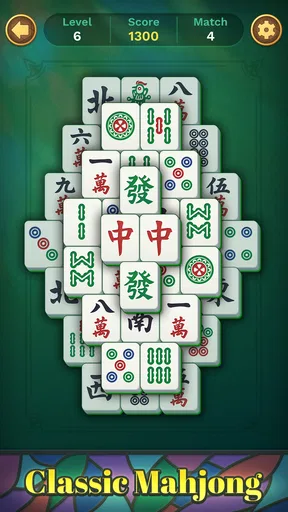
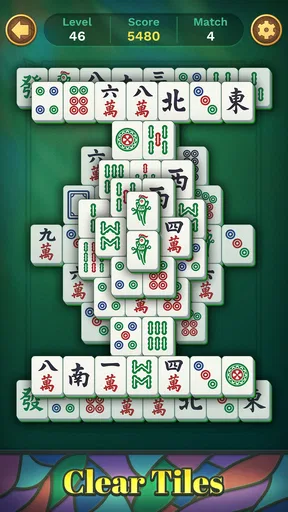
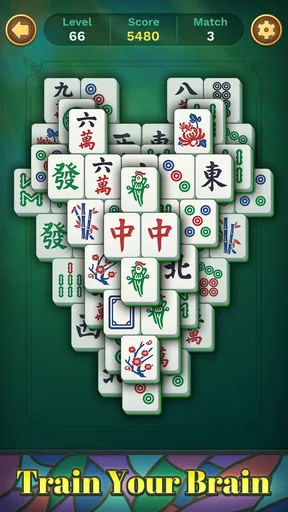
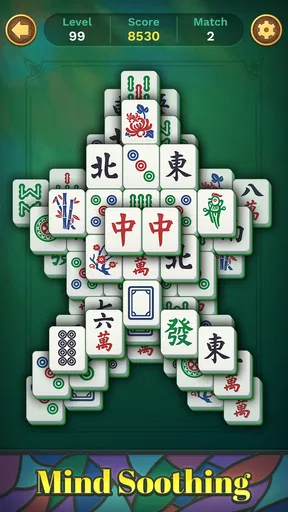
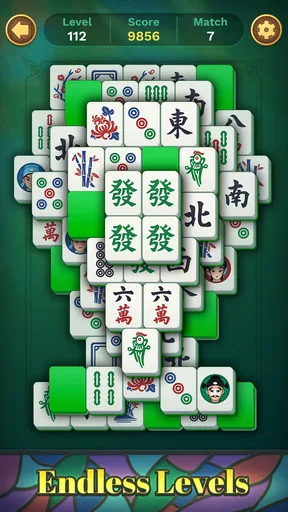
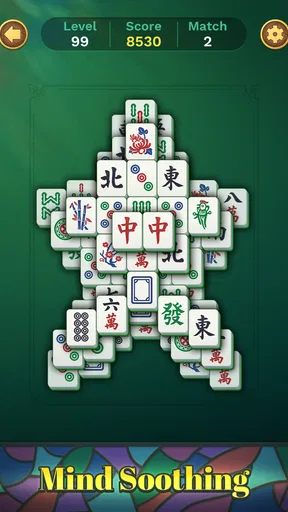
The clearest practical strength is the emphasis on large tiles. On a small phone screen, tile size matters: it can make the board easier to scan and reduce the feeling that every move requires squinting. This is especially useful when I play in a quick break rather than settling in at a desk. The design still asks me to distinguish tile faces, so anyone who finds patterned symbols hard to tell apart should try a board at their usual screen brightness before deciding it works for them.
The matching rule is familiar: find two available tiles with the same face and clear them, working toward an empty board. That makes the first few moves approachable even if you have not played this style of Mahjong before. The puzzle is not simply a test of spotting a pair, though. Removing one pair can uncover another choice or leave a less useful arrangement, so I try to scan for tiles that are covering faces I will need later instead of tapping the first obvious match.
That small habit makes a short session more thoughtful without turning it into homework. I look across the board before committing, then check whether a match opens up more choices. If I am playing while distracted, I slow down rather than treating the game like a reflex test. The pace suits careful observation better than speed, which is a good fit for a quiet puzzle and a poor one if you want rapid action.
Comfort, control, and different ways of playing
The large-tile approach is a useful starting point for visual comfort, but it is not a substitute for every accessibility option a player might need. Reading tile faces depends on contrast, eyesight, screen glare, and how familiar you are with the symbols. I would choose a comfortable screen angle and avoid judging legibility in bright outdoor light alone; a tile that looks clear indoors can be harder to pick out beside a sunny window. The game’s calm style supports an unhurried session, but players who rely on specific contrast, text-size, or assistive-control settings should check the actual interface on their own device.
Touch play has its own trade-off. Selecting a pair is easy to understand, but a small accidental tap can interrupt concentration, particularly when I hold a phone one-handed. I get a steadier experience with the device supported in both hands or resting on a surface, and with taps placed deliberately near the centre of a tile. That is a simple adjustment, not a special feature, and it may not suit someone whose preferred input method is not touch.
Offline play is a meaningful advantage for a game like this. I can keep a puzzle available during a commute, while waiting for an appointment, or somewhere with unreliable reception, without making a network connection part of the basic plan. It also makes the game an easy option for a quiet moment away from messaging and feeds. I would still start a session when I have enough attention to scan the board: offline access removes one situational obstacle, but it does not make a tricky layout effortless.
Worth Reading Before You Choose

EA SPORTS FC Mobile 26 Is a Bigger Football Game, but It Takes Time

Flipboard Shows What News Apps Must Do Beyond the Feed

Switching to Android Auto Means Rethinking Your Driving Routine

Google Calendar Makes a Crowded Week Easier to Manage

Ludo King Makes the Most of the Minutes Between Plans

Baby Panda World Brings Quick Play to Modern Phones, but Its Game Library Feels Busy
Unfolding the Tiles
Right from the get-go, Mahjong Pocket: Calm Match captures you with its beautifully designed interface. The aesthetics are spot on, offering a visually appealing experience that’s both calming and stimulating. The game sticks to the traditional roots of Mahjong, but adds a modern twist that makes it perfect for playing on the go.
When you start a game, you’re greeted with a board full of intricately designed tiles. Your mission, should you choose to accept it, is to match pairs of identical tiles until the entire board is clear. Sounds simple, right? Well, it’s a bit more challenging than it looks, and that’s where the fun lies.
Features That Stand Out
One of the standout features of this app is its variety of themes. Whether you’re in the mood for something classic, or you want to explore more whimsical designs, there’s plenty to choose from. This customization allows you to tailor your experience exactly how you like it.
The app also boasts multiple difficulty levels. As a beginner, I started on the easier levels, but as I got the hang of it, I appreciated the option to ramp up the challenge. It’s like having a personal Mahjong trainer in your pocket, ready to adjust to your skill level.
There’s also a handy hint system. If you ever find yourself stuck, a quick tap will provide a nudge in the right direction. It’s perfect for keeping the game flowing without frustration.
Gameplay Experience
What really hooked me about Mahjong Pocket: Calm Match is how it balances relaxation with mental stimulation. The game is designed to be calming, yet it keeps your brain engaged. It’s the ideal app for a quick brain workout during your coffee break or while commuting.
The game has a smooth, intuitive interface that makes navigation a breeze. You don’t need to be tech-savvy to figure it out, which is a big plus in my book. The developers have done a fantastic job keeping the user experience at the forefront.
Choosing it over other tile games
If you are deciding between this and the usual alternatives, think about what you want from a board game on your phone. A competitive match or a social game is better when you want interaction, a clear opponent, or a reason to coordinate with someone else. This is more appealing when you want to concentrate alone and set your own pace. Compared with a fast arcade puzzle, its pair-finding format rewards looking ahead rather than reacting quickly. I would not pick it for a lively group setting, but I would reach for it during a quiet wait when I have a few minutes and no reliable connection.
A useful way to keep the game relaxing is to treat hints as a reset rather than a shortcut. I first scan for a move that opens a covered tile or preserves several choices; if I have looked carefully and still cannot see a sensible path, a hint can get me moving again. That approach keeps the puzzle engaging without turning a casual break into a test of patience. On a harder board, I would also pause after a few matches and rescan the whole layout, since the best next move can change as tiles disappear.
Who will enjoy it, and what to keep in mind
I can see this working well for someone learning tile-matching Mahjong, a regular player who prefers an unhurried solo puzzle, or anyone who wants an offline game that does not depend on a live opponent. The adjustable difficulty gives newcomers room to begin gently and experienced players a reason to try a tougher board. The themes offer a personal touch, though the core activity remains matching pairs; changing the look does not turn it into a different kind of game.
It is less suitable if you want a deep campaign, head-to-head competition, or frequent changes of mechanic. The game’s appeal is repetition with small decisions, and that can feel samey if you need a strong sense of progression or a new objective every few minutes. I would also be cautious about recommending it as a visual-accessibility solution based on tile size alone. If identifying similar designs is tiring for you, test it in the settings and lighting where you normally play, and stop if the board remains uncomfortable.
For a realistic everyday use, imagine waiting for a delayed bus with patchy reception and a few minutes to spare. I can open a board, make a handful of deliberate matches, and put the phone away when the bus arrives; there is no need to find an opponent or preserve a network connection. If I am walking, crossing a street, or need to stay alert for an announcement, I would leave the puzzle closed. Its calm pacing is best enjoyed when attention can remain on the screen, not divided between tiles and something safety-critical.
For anyone checking compatibility and expectations, the game is rated for Everyone and runs on Android 6.0 or later. Its current version is 1.0.8, and it was released on March 8, 2026. It has a 4.4 average from 53 ratings, with 10K+ installs and 7 reviews. Those figures suggest a modest player base rather than a long-established blockbuster, so I would treat the rating as a useful first impression, not proof that every device or play style will suit it. The game is free, which makes trying it a low-commitment way to see whether its tile presentation works for you.
Final Thoughts
In a world where we’re constantly bombarded with overstimulation, Mahjong Pocket: Calm Match offers a blissful escape. It’s a great go-to app for anyone looking to unwind while keeping their mind sharp. With its beautiful design, customizable themes, and adjustable difficulty, it’s a game that suits players of all ages and skill levels.
If you’re a fan of puzzle games, or just curious about Mahjong, I highly recommend giving this app a try. It’s a delightful blend of tradition and modern simplicity, wrapped up in a convenient mobile package. So go ahead, download it and start matching those tiles!
My recommendation comes with a practical qualification: choose it for its quiet, solo matching and offline convenience, not because it promises every kind of accessibility or a broad range of game modes. If large tiles and a measured pace suit the way you play, it is an approachable pocket puzzle. If you need multiplayer, more varied objectives, or tile symbols that remain easy to distinguish under your particular visual conditions, another board game may be a better fit. For me, that clear niche is exactly what makes it easy to pick up when I want a calm few minutes.
Pros
- User-friendly interface
- easy to navigate.
- Relaxing music enhances the calming experience.
- Variety of tile designs keeps it visually engaging.
- Offline mode available for uninterrupted play.
- Regular updates with new puzzles and features.
Cons
- Ads can be intrusive between levels.
- Some levels may seem repetitive over time.
- Limited hints can frustrate new players.
- In-app purchases needed for certain features.
- Occasional lag on older devices.
FAQs for Mahjong Pocket: Calm Match
What is Mahjong Pocket: Calm Match and how does it differ from traditional Mahjong?
Mahjong Pocket: Calm Match is a modern take on the classic Mahjong game, designed for mobile devices. Unlike the traditional tabletop version, this app offers a calming, solo puzzle experience with various themes and tile designs. It focuses on matching tiles to clear the board, providing an engaging and relaxing gameplay experience.
Is Mahjong Pocket: Calm Match free to download and play?
Yes, Mahjong Pocket: Calm Match is free to download on both Android and iOS devices. While the core gameplay is free, there are in-app purchases available. These purchases can enhance the experience by offering additional tile sets, themes, and hints. However, spending is optional and not necessary to enjoy the game.
What are the key features of Mahjong Pocket: Calm Match?
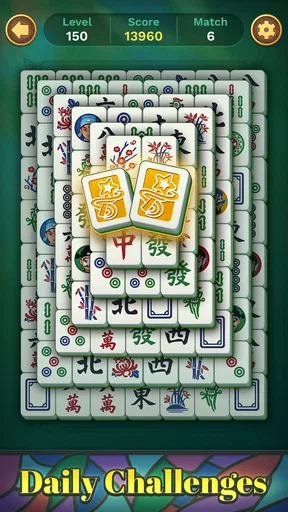
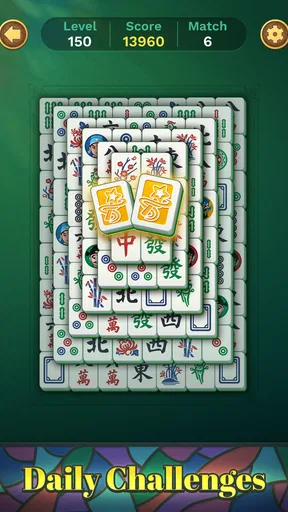
Key features of Mahjong Pocket: Calm Match include a variety of tile sets and backgrounds, daily challenges, and a hint system for when you get stuck. The app also offers a soothing audio and visual experience, making it perfect for unwinding. Its user-friendly interface ensures easy navigation and enjoyable gameplay.
Can I play Mahjong Pocket: Calm Match offline?
Yes, Mahjong Pocket: Calm Match can be played offline, which makes it convenient for users who want to enjoy the game without an internet connection. However, some features, such as daily challenges or updates, may require an internet connection to access or download the latest content.
Is Mahjong Pocket: Calm Match suitable for all ages?
Mahjong Pocket: Calm Match is suitable for players of all ages. Its simple mechanics and relaxing atmosphere make it an excellent choice for both younger and older audiences. Parents can feel confident letting their children play, as the game is free from inappropriate content and focuses on cognitive skill-building.


